

.png)
The Jamaica Environment Trust (JET) says despite the fourth phase of the single-use plastic ban taking effect last year, the use of plastics remains a major concern locally and across the Caribbean.
This, as data from the recently published Ocean Conservancy's International Coastal Cleanup 2024-2025 report reveal that plastic containers remain a major problem, which JET says, highlights the need for more targeted and systemic interventions.
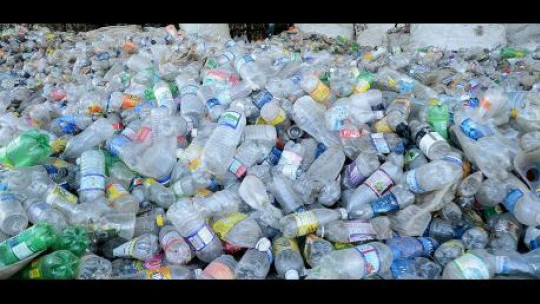
The report spotlights the Caribbean which collected and reported more plastic bottles than any other participating region.
In Jamaica, just over 6,000 volunteers removed 193,386 bottles from beaches and coastal areas, second only to the Dominican Republic.
East and South Asia ranked second globally in plastic bottle collection.
The report shows that of the 10 most collected items globally, nine were plastic. At the top, plastic food wrappers and plastic beverage bottles - everyday items that now dominate debris found along coastlines.
Chief Executive Officer of JET, Dr. Therea Rodriguez-Moodie, says the numbers tell a story that cannot be ignored.
She argues that too much plastic from items used in packaging food and clothing are ending up in the environment.
Describing the situation as a crisis, Dr. Rodriguez-Moodie says while cleanup efforts make an immediate difference in protecting marine life and coastal ecosystems, they are not a long-term solution.
Recycling helps, but the global reality is that only approximately 9% of all plastic waste is recycled.
Bottles, caps, cups and plates were the top three plastic items collected locally.
Dr. Rodriguez-Moodie says tackling plastic pollution requires action from both governments and the private sector, adding that businesses must adapt their practices and take responsibility for the products they put on the market.
She is recommending other measures that could be considered, including scaling up reuse and refill infrastructure to reduce reliance on single-use packaging, designing products for recycling and requiring minimum post-consumer recycled content, as well as reducing toxic additives and ensuring truth in labelling so consumers can make informed choices.
She is also encouraging the use of incentive-driven strategies to reduce waste and improve design, such as extended producer responsibility (EPR). Under EPR, companies must pay for the packaging they produce, with costs tied to how recyclable or wasteful those materials are.
comments powered by Disqus






 All feeds


