
.png)
Associate Clinical Psychologist Sonia Wynter
By Kimone Witter
An Associate Clinical Psychologist says brain development as well as social and cultural influences are some of the contributing factors which can drive reckless behaviour on the roads.
Sonia Wynter says there is also a theory that the economic status of individuals can contribute to recklessness.
"Where they don't have avenues for sense of fulfillment or success, or alternative means of asserting control or status, or demonstrating achievement then sometimes risk-taking behaviour is what results, you know, because that's the only place where they can feel that sense of accomplishment or control, as it were, because there's a disenfranchisement from other spheres of their life. That's true for some young men, but not necessarily for all. But it is a factor as well that has been demonstrated by a number of empirical studies," she explained.
Mrs. Wynter said providing opportunities for social service can help to combat the behaviour.
"Providing access to education so that they can have a sense of agency in their life and their destiny, you know, and recreational opportunities, etc. are ways that we could tackle or how should I say neutralise, hopefully, some of the factors," she noted.
The associate clinical psychologist was speaking Sunday on Radio Jamaica's weekly news review programme That's a Rap.
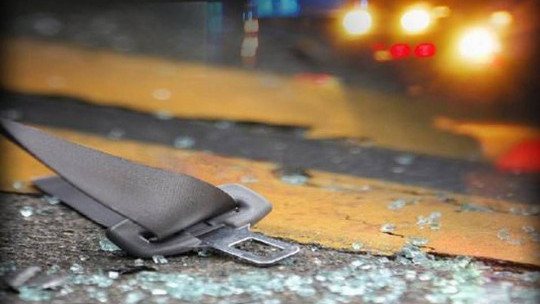
Nine people died in motor vehicle crashes on the weekend.
The number of fatalities since January now stands at 288, compared with 319 for the corresponding period last year.
comments powered by Disqus






 All feeds


