

By Kimone Witter
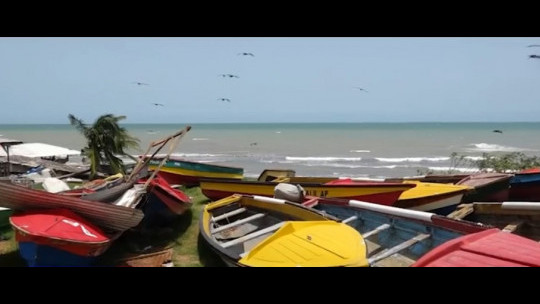
Residents of Alligator Pond in south Manchester are crying out for help as they cope with the significant damage to infrastructure and loss of income from the impact of Hurricane Beryl.
Radio Jamaica News was in the fishing village on Thursday to gauge the impact of the hurricane on the mental health of adults and children.
Food vendor Ann-Marie Banton says the many issues are taking their toll.
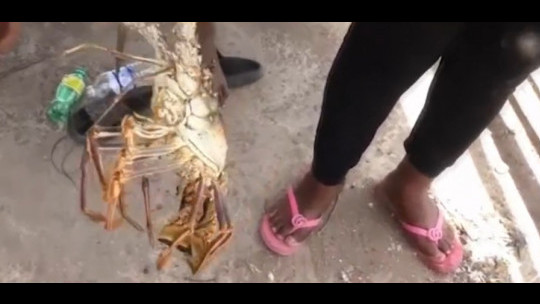
"Mi cookshop top gone, mi just a try fi put back on di zinc dem pon it. Di back part weh mi cook gone and mi a try fi come back pon mi feet. Seet deh, di fisherman dem go a sea...two likkle lobster, two likkle fish, no buyer same time, and we can't eat everything. Everything gone down a Alligator Pond. Alligator Pond turn upside down," she bemoaned, adding that the lack of electricity and water has compounded the issue.
"We need help. Mosquito, darkness...water. We haffi buy likkle water from di water man. See dem seh dem raise it again pon wi. We nuh know how we aguh perform down yah, bwoy, it hard. But we have fi gi thanks fi life inna everything," she acknowledged.
Some residents also complained about being left out of the distribution of care packages.
Meanwhile, scores of health workers from the Southern Regional Health Authority were in Alligator Pond on Thursday, to conduct assessments of health risks and sensitise residents about the need to protect themselves from illnesses in the aftermath of Hurricane Beryl.
With the island experiencing a dengue outbreak and the noticeable increase in the mosquito population in the fishing village, the health workers went door-to-door to educate residents about the importance of destroying breeding sites.
Also of concern is the heightened risk of skin infections caused by contact with contaminated water sources, the likelihood of gastroenteritis and the increased potential for leptospirosis.
Chief Public Health Inspector for Manchester, Charmaine Palmer-Cross, told Radio Jamaica News that health workers also helped business owners to identify and dispose of spoilt meat, resulting from the loss of electricity.
"In relation to water quality as well, of course the area is served by National Water Commission as well as irrigation water. There is no Water Commission water in the pipe at this time, only irrigation water they have access to, so the trucks are trucking these in. So we have to be also educating the persons on how to properly treat the water or how to make it safe for domestic purposes," she explained.
comments powered by Disqus







 All feeds


