
.png)
Nakinskie Robinson reports
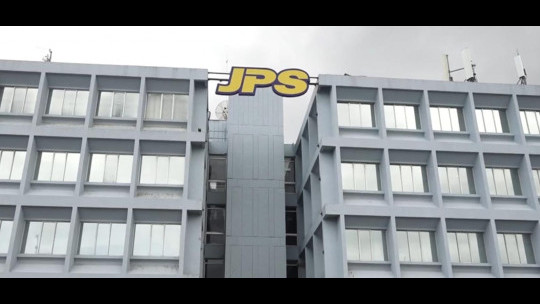
Jamaica Public Service Company (JPS) customers who have power will be paying more, as the light and power company on Monday confirmed a 7% hike on December bills tied to November consumption.
The Office of Utilities Regulations (OUR) says the adjustment was anticipated as JPS had to rely on more expensive fuel sources for fuel generation because natural gas was unavailable in the period leading up to and immediately after Hurricane Melissa.
In the immediate aftermath of the hurricane, President and Chief Executive Officer of JPS Hugh Grant had warned of a possible upward movement in bills.
"Due to the fuel mix, Independent Power Producers being unable to burn out alternate diesel oil and the need to burn less efficient fuel to ensure the security of the grid, and what you call security dispatch, there could be potential upward pressure. The good news is we are working with the OUR and other agencies to minimise that potential impact," he had said.
In its assessment, the OUR said among other things, the hurricane resulted in an approximately 30% reduction in sales, which contributed significantly to the increase in the fuel and Independent Power Producer rates.
Together, these factors could have translated to a big hike in the November 2025 bills. However, in a bid to ease the plight of the public, the utilities regulator says JPS in consultation with the OUR has opted to defer some of the increase in fuel and IPP costs, and recover it by spreading it over the upcoming months.
That means the average residential customer who consumes 165 kilowatt-hour per month would see a bill adjustment of approximately $655 on the previous bill of about $9,000.
The OUR, in approving the adjustment, notes that given the scale of the disaster, it may take up to six months for electricity generation costs to stabilise and for energy consumption to normalise.
It says, given the likelihood that further adjustments could be a shock to customers, it has urged JPS to discuss the IPP and fuel charges with OUR before they are applied over the next six months.
comments powered by Disqus







 All feeds


