
.png)
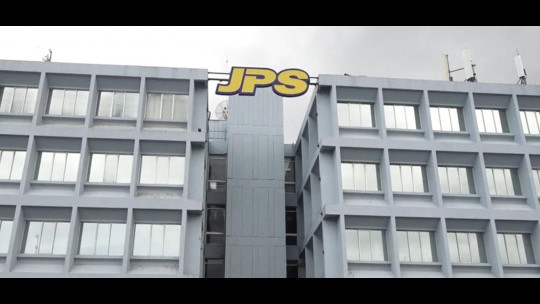
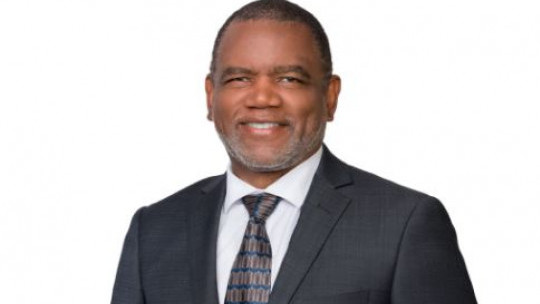
President of the Jamaica Energy Partners and the Country Manager for Inter-Energy Jamaica, Dr. Wayne McKenzie, says independent power producers (IPPs) are not in collusion with the Jamaica Public Service (JPS) regarding the 7% bill increase attributed to Hurricane Melissa.
This follows a call from Opposition Spokesman Energy Phillip Paulwell demanding that the IPPs publicly declare that they are not in collusion with the JPS and to independently provide clarity on the increase in their fuel price.
Speaking Thursday on the Morning Agenda on Power 106, Dr. McKenzie said it is not unusual to see an increase in price to the end-users because of higher generation costs due to Hurricane Melissa.
"Well, we can categorically state that there's no collusion between ourselves and JPS," he insisted, adding that "Even though JPSCo owns one IPP, there's no collusion between their IPP and JPSCo itself."
Dr. McKenzie also pushed back at assertions that there is something untoward about the rate adjustment.
"These are the contractual obligations that they would have signed. And the normal course of business is looking at being changed with the amendment to the licence. I think between them, the OUR and the government, they are trying to smooth the impact of the 7% increase to rate payer, but the costs are real. The increase in diesel use and the increase in price are real. It's not something concocted. It's not something that we wouldn't have experienced, and if the magnitude of the hurricane was greater, it could have been worse," he contended.
JPS and the Office of Utilities Regulations have negotiated the rate increase to be applied over a six-month period.
In the meantime, Dr. McKenzie said one of the Jamaica Energy Partners' plants was destroyed in the hurricane, but it did not pass on that cost to the JPS.
"One of our assets was completely damaged in Westmoreland - our solar plant - but we have obligations, we have obligations on lease. We didn't pass through those costs to the JPS, but at the end of the day, we still have that obligation to pay that lease. And I think that's what the JPS is saying. We have 500,000 customers. We have 400,000 connected, so we have to make do with the obligations that we have with those that we're contracted to. The minister is saying that, yes, we understand the increase, but going forward, we need to create a framework where those enterprises that engage us in contracts need to protect themselves from that, more than transferring the rate to you," Dr. McKenzie reasoned.
comments powered by Disqus
.jpg)

.jpg)

.jpg)



 All feeds


